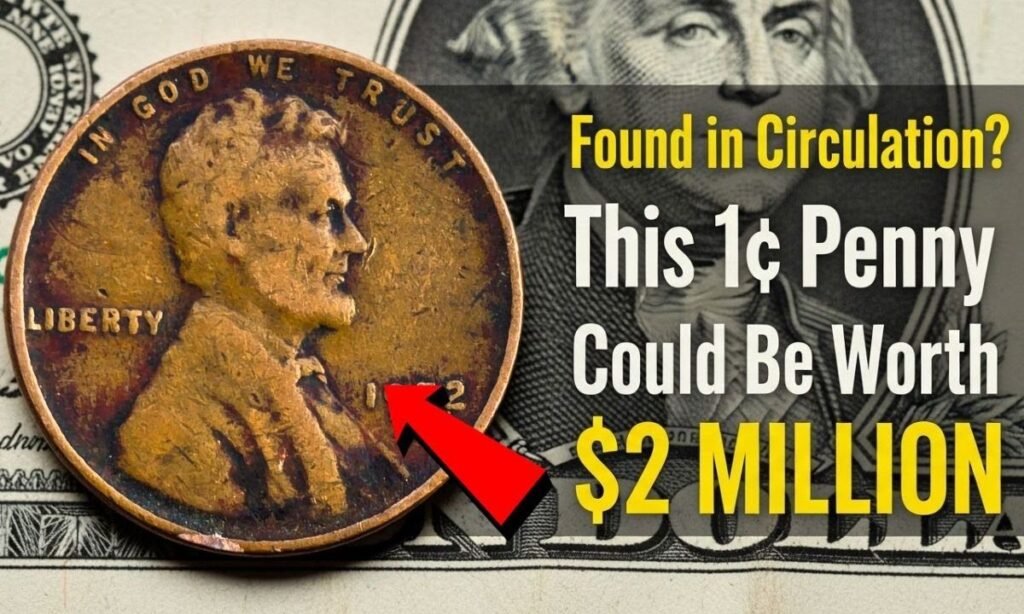
Lincoln Wheat pennies, minted from 1909 to 1958, remain a favorite among coin collectors for their classic design and historical appeal. While most are worth only a few cents, certain rare examples—often due to minting errors, low production numbers, or unique varieties—can fetch thousands or even millions of dollars at auction. These top-tier rarities highlight how small mistakes or special circumstances during production can turn everyday pocket change into serious treasure.
The Allure of Lincoln Wheat Pennies
The Lincoln cent, introduced in 1909 to mark Abraham Lincoln’s 100th birthday, features the president’s profile on the obverse and two wheat stalks framing the denomination on the reverse—hence the “Wheat” nickname. Designed by Victor David Brenner, these coins circulated widely for decades. Ordinary examples hold modest value, but the most prized ones stand out because of scarcity, dramatic errors, or historical quirks that make them stand apart in the numismatic world.
Collectors prize these coins not just for their potential worth but for the stories behind them, from wartime material shortages to striking mishaps that escaped quality control.
Wartime Errors That Defy Expectations
During World War II, the U.S. Mint switched to zinc-coated steel planchets for pennies in 1943 to conserve copper for the war effort. Almost all 1943 pennies are steel, but a tiny handful were mistakenly struck on leftover bronze planchets, creating some of the most legendary rarities in American coinage.
These bronze 1943 cents look like regular copper pennies from other years, but their accidental creation during a time of strict metal rationing makes them extraordinarily rare. Examples from different mints vary in survival numbers, but all command enormous attention from serious buyers.
Famous Doubled Die Varieties
Minting errors known as doubled dies occur when a die shifts slightly between hubbings, leaving noticeable doubling on letters, numbers, or design elements. The Lincoln series has produced several standout examples that collectors hunt relentlessly.
One of the most dramatic is the 1955 Doubled Die Obverse, where the date and inscriptions show bold, unmistakable doubling visible even to the naked eye. This variety emerged from a single die pair and remains a benchmark for error coin enthusiasts due to its clarity and relative accessibility compared to ultra-rare pieces.
Key Date Rarities from Early Years
Low mintage figures in certain years and mint locations create natural scarcity that drives up values over time. The inaugural year of the series produced one of the most iconic examples when the designer’s initials “V.D.B.” appeared on the reverse of some 1909-S coins before being removed due to public criticism.
Another standout is the 1914-D, struck in tiny quantities at the Denver Mint during a period of lower overall production. These early key dates often represent the foundation of advanced Lincoln collections.
Here are some factors that boost value for these early rarities:
- Extremely low original mintage numbers compared to other years
- Heavy circulation wear on most surviving examples
- Strong demand from collectors completing date-and-mint sets
- High-grade specimens that preserve original luster and detail
Top 5 Most Valuable Lincoln Wheat Pennies
Ranking the absolute cream of the crop involves considering auction records, rarity, and condition. These five stand out as consistently commanding the biggest prices when top examples cross the block.
- 1943 Bronze Cents (Various Mints) — The wartime copper errors top many lists, with individual examples from Philadelphia, Denver, or San Francisco reaching extraordinary sums based on their uniqueness and provenance.
- 1944 Steel Cents — The flip side of the 1943 error, where steel planchets accidentally carried over into the next year’s copper production, resulting in rare silver-like pennies that surprise finders and fetch huge rewards.
- 1955 Doubled Die Obverse — This iconic error features heavy doubling across the obverse, making it one of the easiest rarities to spot and one of the most sought-after in the entire series.
- 1909-S VDB — The first-year low-mintage San Francisco issue with the designer’s initials, long considered the “king” of regular-issue Wheat pennies for its historical significance and limited supply.
- 1922 No D Strong Reverse — A Denver Mint coin where the mint mark was worn away or never appeared properly, creating a mysterious “plain” variety that stands out among 1920s issues.
Values for these coins fluctuate with market conditions, but high-grade or well-provenanced pieces regularly achieve life-changing figures for lucky owners or discoverers.
Why These Coins Continue to Fascinate Collectors
Beyond the dollar amounts, these pennies tell stories of American history, industrial processes, and human error. Finding one in an old jar or inherited collection can feel like uncovering hidden history. The thrill of the hunt keeps enthusiasts searching rolls, examining pocket change, and attending coin shows in hopes of spotting the next big discovery.
Whether you’re a longtime collector or just curious about that old jar of pennies in the attic, understanding these top rarities adds excitement to the hobby. Always handle potential valuable coins carefully and consult professionals for authentication when something looks unusual.