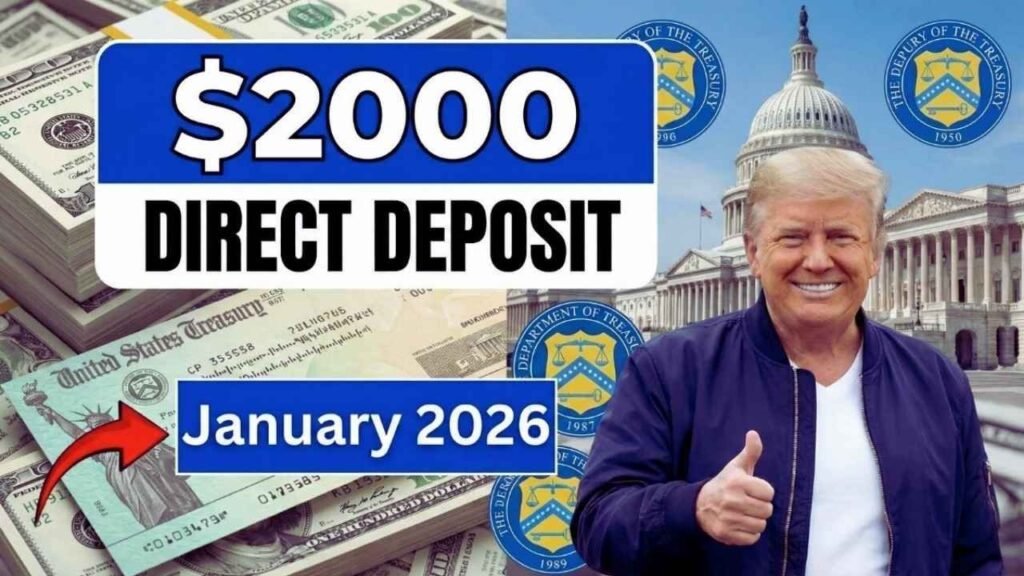
As January 2026 kicks off, social media and online searches are buzzing with claims about an IRS-approved $2,000 direct deposit hitting bank accounts this month. Many people are hoping for quick financial relief after the holidays, but the truth is straightforward: there is no new universal or automatic $2,000 payment from the IRS starting in January.
Where the Rumor Comes From
These claims often mix up real IRS processes with wishful thinking. Early in the year, some taxpayers do see deposits from the IRS, but they’re tied to individual tax situations—not a blanket program.
- Normal tax refunds for the 2025 tax year begin processing once the filing season opens, typically late January
- Adjustments for unclaimed credits or amended returns can also result in payments around this time
- Past stimulus leftovers (like late 2021 Recovery Rebate Credits) wrapped up years ago
Viral posts promising a flat $2,000 for everyone usually link to unofficial sites or recycled old news. Legitimate IRS payments always depend on your filed returns, income, and eligibility for specific credits.
What the IRS Actually Says
The official word from the IRS and Treasury is clear: no new federal stimulus, relief, or universal direct deposit program has been authorized for 2026. Congress hasn’t passed any legislation for across-the-board payments, and the IRS only distributes funds based on existing tax laws.
Any real deposit labeled “IRS TREAS” or similar would be a personal refund or credit reconciliation—not a surprise bonus. Checking your IRS online account at IRS.gov is the best way to verify what’s yours.
Why These Rumors Spread Fast
January is prime time for money worries, with bills piling up and tax season looming. Scammers and clickbait sites take advantage by spreading fake headlines about “approved” deposits.
- Be wary of texts, emails, or sites asking for bank details to “claim” money
- The IRS never initiates contact that way for payments
Sticking to IRS.gov or your official tax records avoids falling for misinformation.
What to Expect Instead in January
The 2026 tax filing season starts soon, meaning early filers could see refunds by late February if they e-file and choose direct deposit. With new rules phasing out most paper checks, direct deposit is faster and more secure than ever.
The $2,000 IRS direct deposit claim for January 2026 is just a rumor with no basis in official policy—there’s no universal payment coming. While some people might get legitimate IRS funds this month from refunds or adjustments, it’s individual, not automatic. Stay informed through trusted sources, check your own tax account, and focus on preparing for the real tax season ahead. Accurate info beats viral hype every time.
FAQs
Is there really a $2,000 IRS direct deposit starting in January 2026?
No. The IRS has not announced or approved any universal $2,000 payment. Claims online are misinformation or confusion with personal tax refunds.
Why do some people get IRS deposits in January?
Early tax refunds for the previous year begin processing once filing season opens. These vary by person and can hit accounts if you file quickly with direct deposit.
How can I check for a real IRS payment?
Create or log into your free IRS online account at IRS.gov. It shows refunds, credits, and payment status securely.
What if I see a post about claiming the $2,000?
Ignore it it’s likely a scam. The IRS doesn’t require “claims” for non-existent programs and never asks for info via social media or unsolicited messages.
When does the 2026 tax season start?
The IRS typically begins accepting returns in late January. Refunds for early filers with direct deposit often arrive within 21 days of acceptance.