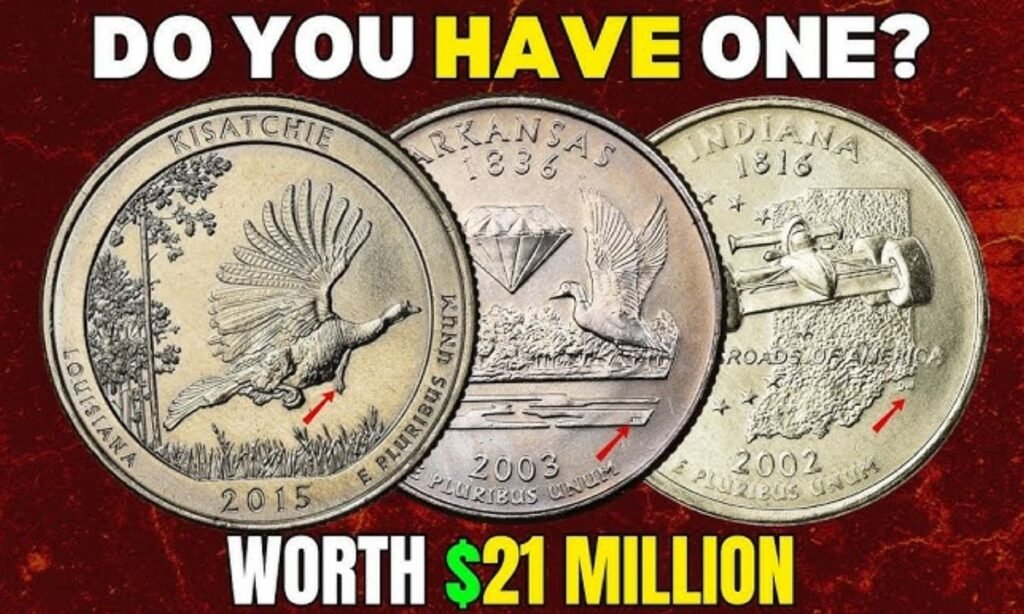
The 50 State Quarters program, launched by the U.S. Mint in 1999, sparked widespread interest in coin collecting across America. While billions of these quarters entered circulation and most remain worth just 25 cents, a tiny fraction stand out due to minting errors, extreme rarity in top condition, or unique varieties. In 2026, some of these elusive pieces have fetched astonishing prices at auctions, with the rarest examples reportedly reaching into the millions for truly exceptional specimens. Could one be tucked away in your old jar or pocket change?
The Allure of State Quarter Errors and Perfection
What drives these high values isn’t just age—it’s imperfections or flawless preservation that make certain quarters stand out. Minting mistakes like extra elements, doubled designs, or experimental metals create instant rarity. Meanwhile, coins graded near-perfect by services like PCGS or NGC command premiums because so few survive in pristine shape after years of handling. Collectors chase these because they represent one-of-a-kind pieces from an otherwise mass-produced series.
Famous Error Varieties That Spark Bidding Wars
Some of the biggest payouts come from well-known errors that slipped through quality control.
- The 2004-D Wisconsin “Extra Leaf” quarter shows an additional leaf on the corn stalk—high leaf and low leaf versions exist, with top-grade examples selling for thousands.
- The 1999 Delaware “Spitting Horse” features a die break making the horse appear to spit, turning a common design into a sought-after oddity.
- The 2005 Minnesota doubled die variety includes extra trees or outlines, boosting value in higher conditions.
- Experimental planchet errors from 1999 quarters (like Delaware, Pennsylvania, or Connecticut) struck on unusual metals fetch big sums due to their scarcity.
These quirks transform ordinary coins into treasures, especially when certified in mint state grades.
High-Grade Gems From Low-Mintage or Key Years
Beyond errors, pristine examples from certain years or mints rise to the top because of low survival rates in superb condition. Coins graded MS68, MS69, or higher become ultra-rare as most circulated pieces show wear.
- 2000-P South Carolina quarters in MS69 have hit over $3,000 at auction.
- 2008-D Alaska in near-perfect MS69 brought more than $2,000 in past sales.
- 2000 New Hampshire in top condition can reach $2,000 or more.
- First-year 1999 issues, like certain P-mint Delaware or others on experimental planchets, have seen values climb past $4,000.
Demand stays strong for these because they represent the pinnacle of what the series can offer.
Lesser-Known Rarities and Overlooked Dates
Collectors also hunt lower-mintage or hard-to-find circulation strikes from later in the program. These don’t always feature dramatic errors but gain value from sheer scarcity in uncirculated form.
- 2008-D and 2008-P Oklahoma quarters top many rarity lists due to lower production numbers.
- 2004-P Iowa and 2003-P Maine appear frequently among the toughest to locate in high grades.
- Other dates like 2002-P Ohio, 2003-P Illinois, and 2004-D Michigan round out lists of coins with limited availability.
Even without flashy mistakes, exceptional preservation pushes prices upward as enthusiasts compete for top examples.
Why Values Keep Climbing in 2026
The coin market has matured since the State Quarters craze peaked in the early 2000s. Nostalgia, combined with professional grading and online auctions, keeps pushing prices for the elite pieces. Major errors or one-in-a-million preservation levels now draw serious investors, turning what started as pocket change into potential windfalls. While no ordinary circulated quarter will hit millions, the absolute finest or most dramatic rarities continue setting records and fueling excitement among hobbyists.
In the end, the State Quarters series reminds us that hidden value can lurk in everyday items. Dig through your collections or loose change—you might uncover something extraordinary. If a coin matches one of these profiles, getting it professionally graded could reveal its true worth in today’s hot market.
FAQs
What makes a State Quarter worth millions instead of just 25 cents?
Only ultra-rare errors, experimental strikes, or coins in near-perfect uncirculated condition (like MS69 or higher) reach extraordinary levels. Most stay at face value unless they have a dramatic flaw or exceptional preservation.
Are any common State Quarters suddenly valuable in 2026?
No—value depends on specific errors or top grades. Regular circulated examples without issues remain worth 25 cents, but check for varieties like extra leaves or doubled dies.
Which State Quarter errors should I look for first?
Start with the 2004 Wisconsin Extra Leaf, 1999 Delaware Spitting Horse, and any 1999 experimental planchet coins. These have proven track records of higher values.
How do I know if my quarter is in good enough condition to be valuable?
Look for sharp details with no wear on high points. Professional grading services like PCGS or NGC can confirm condition and authenticity, which dramatically affects price.
Where can I sell a potentially rare State Quarter?
Reputable auction houses, coin dealers, or online platforms specializing in numismatics handle high-value sales. Always get certification first to maximize returns.